

I like time to think, space to prepare, and control over details.
Sitting in front of a microphone takes all of that away.
That is exactly why I said yes.
How it started
Over the last few years, our company grew and we started speaking more openly about the hard technical problems we work on.
We took those topics to meetups and conferences. The reactions surprised us. The things we shared resonated, and it felt like we were giving something genuinely valuable back to the community (not just showing slides).
That is how the Data Talk team reached out. They felt that what we were doing around agentic AI was practical and world class in a very non hyped way (their words, not mine).
The topic was obvious from the start. Who we are and what we work on. Agentic AI.
Why I said yes
I always try to push myself out of my comfort zone.
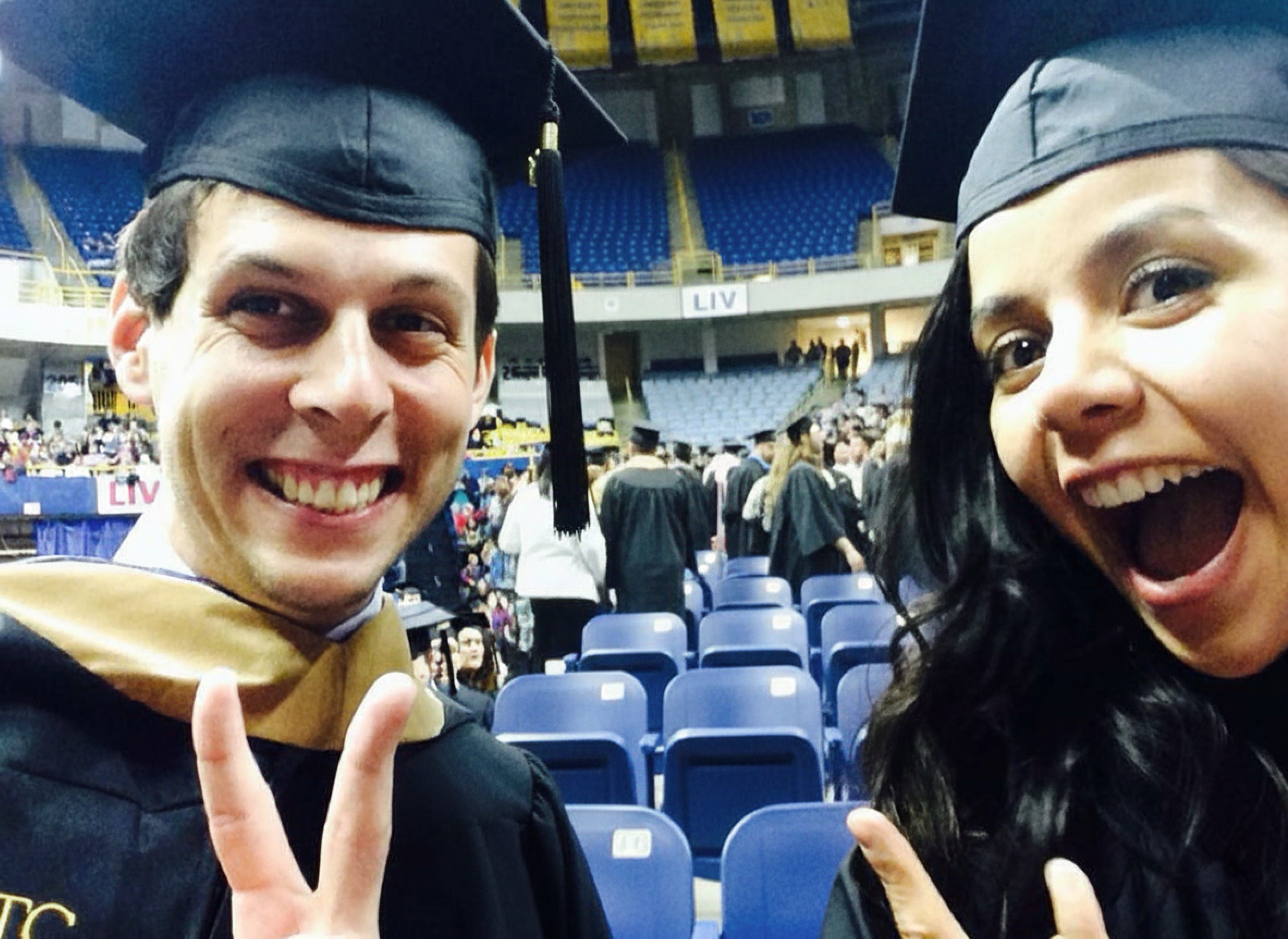
This felt like a good opportunity to do exactly that. I knew it would not be easy, and that I might struggle a bit (especially live, without edits).
But I also knew the benefits would be significant. Personally, and also for the company.
As I grew into my CTO role, I no longer speak just for myself. We are still a small company, but close to 30 people now, and I increasingly represent their work as well.
That means I need to be able to explain clearly what we do, why we do it, and why it matters. Not in slides, but in words.
How I prepared
I did not prepare by memorizing answers. I prepared by getting clear about the story.
First, I forced myself to pick a single topic. For me, that was the story of me, Apoco, and the kind of problems we work on around agentic AI (everything else was secondary).
I wrote a short retrospective of my path. Chronological. No polish. Just facts, projects, and decisions.
Then I highlighted a few things using different colors so I could scan it quickly. Milestones. Stories. Examples. Things that felt important.
From that, I picked three core topics I wanted to get across. Not more. I also made a short list of things I really did not want to forget to mention (mostly context that would be hard to recover on the fly).
I thought about the audience and what would actually be useful for them. And I thought about a simple CTA (nothing fancy).
That was it.
Some preparation is necessary. Too much preparation kills authenticity. The goal was not control, but clarity.
How it went
It went great.
The moderator (Jirka Vicherek) was friendly and well prepared. I shared my preparation document with him in advance, which helped set the tone.
Even though I had notes ready, I did not look at them once. The conversation flowed naturally. It felt more like a focused discussion than a performance.
Everything was recorded in one take. No cuts. It took longer than I expected, but that was a good sign.
If you are curious, you can listen to the episode here 👉 (the episode is in Czech):
I am currently planning a separate podcast episode in English on a similar topic. It is still in preparation, but coming later
What worked, what didn’t
I still made some mistakes.
I think I talked too much (especially my brother thought so). The intro was probably too long and too personal. The story matters a lot to me, but it might not have been the most relevant starting point for everyone listening.
That was a good reminder.
If someone gives you their time, they expect something in return. Insight, context, a new way of thinking. Not just your backstory.
A few things I would keep in mind next time:
Do:
Be yourself. Nothing matters more than being authentic.
Think about the audience and the bigger picture.
Stay concrete. Stories over abstractions.
Slow down when something matters. Silence is fine (introverts often rush when they should not).
React naturally. If you are genuinely excited about something, let it show (even if it feels a bit awkward).
Don’t:
Overprepare or try to control the conversation.
Do not optimize for sounding smart. Instead, optimize for being understood.
Repeat the same words or ideas over and over.
Drift into abstractions when a concrete example would work better.
Forget why people are listening in the first place.
What I got out of it
The biggest long term benefit was clarity.
If someone asks me about my story now, I can give them a short, coherent answer. And if they want more context, I can point them to the Data Talk episode instead of trying to compress everything into a few sentences.
Going through the preparation and the conversation helped me sort my own thoughts. It forced me to articulate not just what we do, but why we do it.
That matters personally, but it also matters for the company. It makes it easier to explain our work.
And on a more personal note, my parents and family got to hear what I actually do for a living (even if they forgot most of it already).
Would I do it again
Yes.
I will.
I enjoyed it. It pushed me forward.
And I want to keep doing it. Another podcast is already in planning (this time in English). Stay tuned.